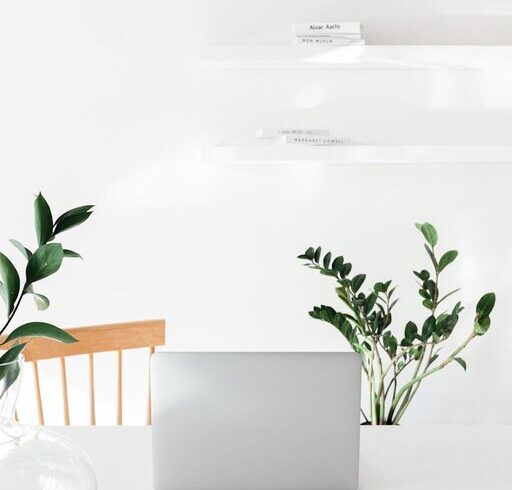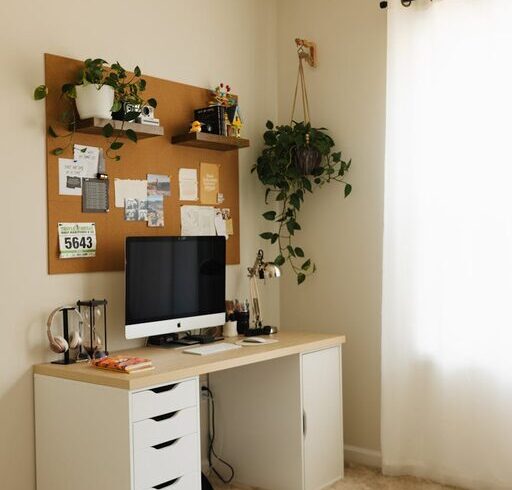

Creating a home workspace that is both cozy and functional can significantly enhance your productivity and overall well-being. Whether you’re working remotely, studying, or managing household tasks, a thoughtfully designed workspace helps maintain focus while making your time there enjoyable. Here are practical tips to help you create a perfect home workspace that combines comfort with efficiency.
1. Choose the Right Location
Selecting the best spot in your home for your workspace is crucial. Consider these factors:
– Natural Light: Whenever possible, pick a location near a window. Natural light can boost your mood and reduce eye strain.
– Quiet Area: Find a space that is away from high-traffic zones to limit distractions.
– Space Availability: Make sure there is enough room for your desk, chair, and any equipment you need.
If space is limited, a corner of a living room or bedroom can be transformed into a productive nook.
2. Invest in Comfortable and Supportive Furniture
Comfort plays a key role in productivity. Here’s what to focus on:
– Ergonomic Chair: Choose a chair that supports your back and encourages good posture.
– Desk Size: Select a desk that accommodates your computer, notebook, and other essentials without clutter.
– Adjustable Features: Height-adjustable desks or chairs allow you to find an ideal position that supports your body.
Small details like wrist rests and foot supports can also contribute to comfort.
3. Optimize Lighting
Good lighting reduces eye fatigue and makes your workspace inviting.
– Layered Lighting: Use a combination of natural light, overhead lights, and task lighting such as a desk lamp.
– Adjustable Lamps: Choose lamps with adjustable brightness and direction so you can tailor the light as needed.
– Avoid Glare: Position monitors and lights to minimize screen glare.
4. Keep It Organized and Clutter-Free
An organized space promotes efficient work and a clear mind.
– Storage Solutions: Use shelves, drawers, and desk organizers to keep supplies neatly stored.
– Minimalist Approach: Only keep items that are essential for your work on your desk.
– Cable Management: Use clips or sleeves to keep cords tidy and out of the way.
Regularly declutter your space to maintain a clean and pleasant environment.
5. Personalize Your Space
Adding personal touches can make your workspace feel more welcoming and inspiring.
– Plants: Small indoor plants improve air quality and add a touch of nature.
– Art and Photos: Hang artwork or photos that motivate and uplift your spirit.
– Color Scheme: Choose colors that calm you; blues and greens often help reduce stress, while pops of bright colors can stimulate creativity.
Balance personalization with professionalism, especially if you attend video calls.
6. Manage Noise Levels
Noise can be a major distraction during work.
– Noise-Cancelling Headphones: These can help block out background noise.
– Soft Furnishings: Rugs, curtains, and cushions absorb sound and reduce echo.
– White Noise: Consider using white noise machines or apps to mask disruptive sounds.
7. Ensure Proper Ventilation and Temperature
Comfort includes the right air quality and temperature.
– Fresh Air: Open windows when possible to keep air circulating.
– Fans or Heaters: Use devices to maintain a comfortable temperature.
– Humidity Control: A humidifier or dehumidifier can help balance air moisture depending on your environment.
8. Set Up Efficient Technology
Your devices should help, not hinder, your workflow.
– Reliable Internet: Ensure your internet connection is stable and fast.
– Monitor Setup: Use external monitors if they improve your workflow.
– Keyboard and Mouse: Invest in ergonomic accessories that reduce strain.
Update software regularly and keep your system secure.
9. Create a Routine and Dedicated Work Hours
A cozy, functional workspace works best with consistent habits.
– Scheduled Breaks: Take short breaks to stretch and rest your eyes.
– Defined Hours: Set start and end times to separate work from personal life.
– Use Productivity Tools: Tools like timers and apps help keep you on track.
Conclusion
Designing a home workspace that balances comfort and function doesn’t require a large budget or space. Thoughtful choices regarding location, furniture, lighting, and organization can transform any area into an inspiring and productive environment. Remember to personalize your space and cultivate habits that support focused work. With these tips, your home workspace can become a cozy retreat where creativity and efficiency thrive.