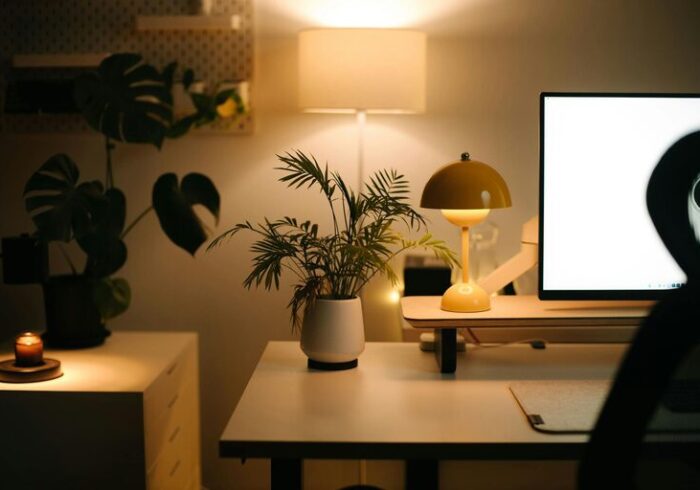
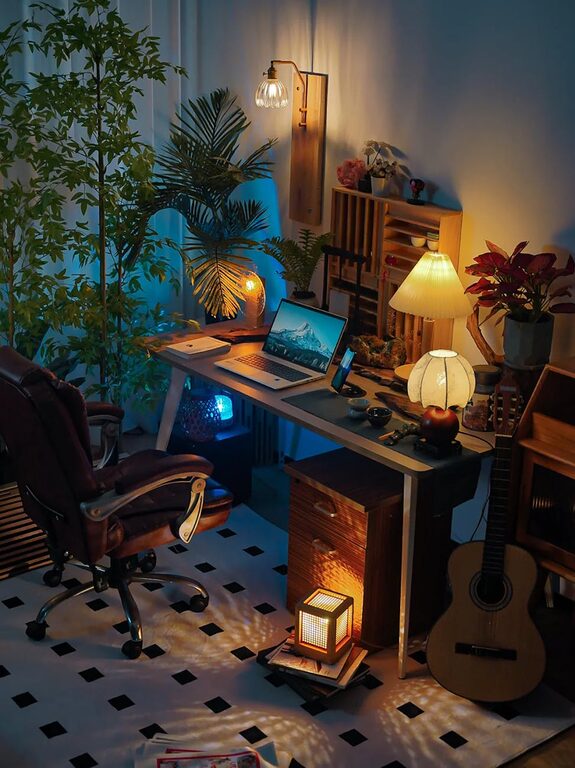
Creating a cozy and inviting home office space is essential for staying productive and comfortable throughout your workday. Whether you spend a few hours a week or full days working from home, your environment plays a significant role in your mood and efficiency. Here, we’ll explore practical ways to design a workspace that feels warm, inspiring, and tailored to your needs.
Why a Cozy Home Office Matters
A well-designed home office does more than just look nice. It helps reduce stress, increase focus, and support your overall well-being. When your workspace feels inviting, you’re more likely to enjoy your work and maintain consistent routines.
Choosing the Right Location
Find a Quiet Spot
Start by choosing a quiet area in your home, preferably with minimal distractions. If possible, pick a room or corner away from heavy foot traffic.
Consider Natural Light
Natural light positively impacts mood and alertness. Position your desk near a window to enjoy daylight—but avoid harsh glare on your screen. If natural light is limited, invest in soft, bright lighting options.
Furniture That Combines Comfort and Function
Ergonomic Chair
A comfortable and supportive chair is key to avoid back pain during long work hours. Look for adjustable options with lumbar support.
Practical Desk
Choose a desk that fits your space and work style. Whether you prefer standing desks or traditional ones, make sure it has enough surface area for your computer, paperwork, and other essentials.
Add Storage Solutions
Keep clutter at bay with shelves, drawers, or filing cabinets. Organized storage helps maintain a calm workspace and makes items easier to find.
Personalizing Your Space
Warm Colors and Textures
Incorporate warm tones like beige, soft browns, or muted greens to create a soothing atmosphere. Soft textiles such as plush rugs, cozy blankets, or cushions add tactile comfort.
Meaningful Decor
Add personal touches with photos, artwork, or inspirational quotes. These elements can motivate you and make the space feel uniquely yours.
Plants for Freshness
Indoor plants brighten the room and improve air quality. Choose low-maintenance varieties like snake plants or pothos that thrive indoors.
Optimizing Lighting
Layer Your Lighting
Use a combination of ambient (general), task, and accent lighting. A desk lamp with adjustable brightness is useful for focused activities, while overhead lighting ensures overall visibility.
Avoid Eye Strain
Position lights to minimize glare on your screen and use bulbs with a color temperature of around 4000K to mimic natural light.
Keeping Technology Organized
Cable Management
Use cable clips, sleeves, or under-desk trays to keep cords neat and untangled. This reduces distractions and improves safety.
Essential Tech Setup
Invest in reliable equipment such as a good quality monitor, keyboard, and headphones. These help enhance your productivity and comfort.
Creating a Comfortable Ambiance
Maintain a Comfortable Temperature
Adjust your thermostat or use a small fan or heater to keep the temperature pleasant throughout the year.
Sound Control
Consider noise-cancelling headphones or a white noise machine if ambient sounds disrupt your focus.
Maintaining Cleanliness and Organization
Daily Tidying Habits
Spend a few minutes each day clearing your desk and organizing your materials. A tidy environment fosters clarity and efficiency.
Use Organizational Tools
Calendars, planners, and digital task apps help keep your workflow on track and reduce stress.
Final Thoughts
Designing a cozy and inviting home office doesn’t have to be complicated or expensive. By focusing on comfort, organization, lighting, and personal touches, you can create a workspace that supports your productivity and well-being. Remember, the best home office is one that feels like a place you want to spend time in — both functional and welcoming.
Take small steps to improve your space and enjoy the benefits of a well-crafted home office every day.